
In the world of technical analysis, few patterns are as well-known and reliable as the Head and Shoulders pattern. This classic reversal formation has stood the test of time, helping traders identify potential market turning points with surprising accuracy. Whether you’re a beginner learning chart patterns or a seasoned trader refining your strategy, understanding the Head and Shoulders pattern could give you a sharper trading edge.
What Is the Head and Shoulders Pattern?
The Head and Shoulders pattern is a chart formation that signals a possible trend reversal — typically from bullish to bearish. It consists of three peaks:
- Left Shoulder – The price rises, peaks, and then falls.
- Head – The price rises again, forming a higher peak than the left shoulder, and then falls again.
- Right Shoulder – The price rises once more but forms a lower peak than the head before declining.
Beneath these peaks lies the neckline, a support level that connects the lows after each peak. When the price breaks below the neckline, it often confirms the reversal.
Why Traders Love This Pattern
The Head and Shoulders pattern is popular because it gives a clear visual cue of market exhaustion. After the “head” forms, buyers often lose steam, and sellers begin to take control. This transition can provide an excellent opportunity for traders to position themselves before a major move.
The Inverse Head and Shoulders
There’s also a bullish version called the Inverse Head and Shoulders, where the pattern is flipped upside down. This version often signals a reversal from a downtrend to an uptrend.
Step-by-Step Guide to Trading the Pattern
- Identify the Formation – Spot the left shoulder, head, and right shoulder on your chart.
- Draw the Neckline – Connect the lows (for the standard pattern) or highs (for the inverse).
- Wait for a Breakout – Avoid jumping in too early; wait for a confirmed close beyond the neckline.
- Set Your Stop Loss – Place it above the right shoulder for a bearish setup or below it for a bullish setup.
- Target the Move – Measure the distance from the head to the neckline and project it in the breakout direction.
Pros and Cons
Pros ✅
- Works across multiple timeframes and markets.
- Easy to spot once you’re familiar with the shape.
- Can provide early warning of trend changes.
Cons ❌
- False breakouts can occur.
- Requires patience and confirmation before entry.
Combining With Volume Analysis
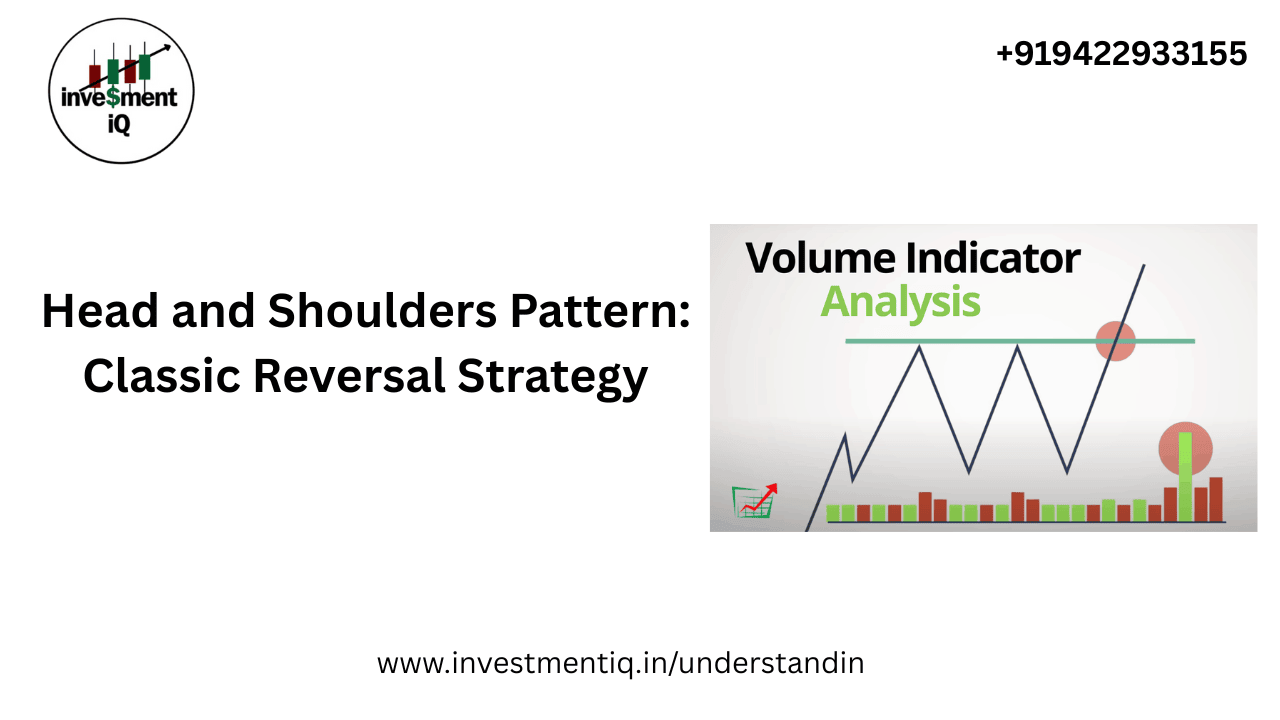
To strengthen your trade setup, combine the Head and Shoulders pattern with volume analysis. Generally, volume should be higher during the formation of the left shoulder and head, then decline as the right shoulder forms, and spike again on the breakout.
For a deeper dive into technical analysis and trading strategies, check out our educational resources at Investment IQ — where traders sharpen their skills with proven market insights.
Final Thoughts
The Head and Shoulders pattern isn’t just a chart shape — it’s a psychological map of buyer and seller behavior. By mastering it, you can catch reversals early and improve your decision-making in the market. Remember, patterns work best when combined with risk management, market context, and other indicators.
you may be intrested in this blogs
What is the Contrast Between Favored Stock and Normal Stock?
Day Trading Guide for August 7, 2024: Intraday supports, resistances for Nifty50 stocks