
Introduction
Starting your investment journey does not necessarily require a large amount of money. With careful planning, financial discipline, and a basic understanding of investment options, beginners can start building their financial future with small, manageable contributions.
In India, digital investment platforms have made it easier to access mutual funds, stocks, and other financial products. Depending on the investment option and its minimum requirements, you may be able to begin with a few hundred rupees.
However, successful investing is not simply about putting money into the stock market. It involves setting financial goals, understanding risk, choosing suitable investments, and maintaining a long-term perspective.
This guide explains how to start investing with little money in India, which options beginners can explore, and how to avoid common financial mistakes.
Understanding the Basics of Investing
What Is Investing?
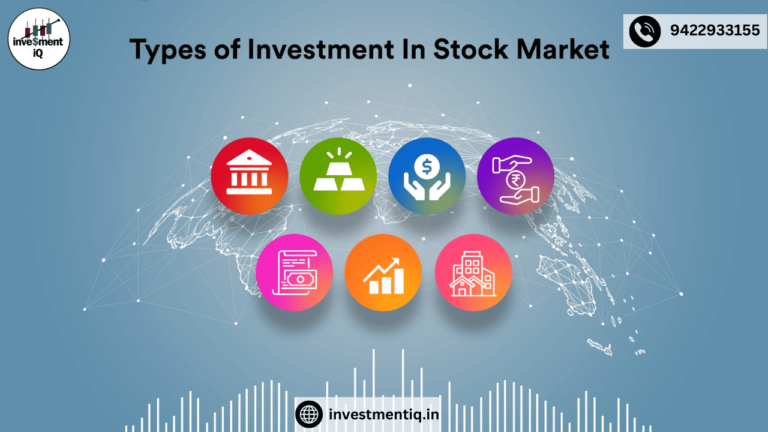
Investing means allocating money to financial assets with the aim of generating potential returns over time. Common investment options include:
- Stocks: Shares representing ownership in publicly listed companies.
- Mutual funds: Investment products that pool money from multiple investors and invest according to a defined strategy.
- Index funds: Funds designed to track a particular market index.
- Fixed deposits: Bank or financial institution deposits offering a stated interest rate for a specified period, subject to the institution’s terms.
- Government securities: Instruments issued by the government, with risks and terms depending on the specific security.
- Exchange-traded funds (ETFs): Funds traded on stock exchanges that typically track an index or another defined basket of assets.
Each investment has different risks, costs, liquidity characteristics, and potential returns. The right choice depends on your goals, financial circumstances, and comfort with risk.
Why Should You Start Investing Early?
Starting early gives your investments more time to potentially grow. One reason is compounding, which occurs when investment earnings remain invested and may generate additional earnings over time.
For example, suppose you invest ₹500 every month. Your total contributions would be ₹6,000 after one year and ₹60,000 after ten years, excluding any investment returns.
The final value could be higher or lower depending on the investment’s performance, costs, and applicable taxes. Market-linked investments do not offer guaranteed returns.
The important lesson is that consistency and time can matter more than beginning with a large amount.
How Much Money Do You Need to Start Investing?
There is no single minimum amount that applies to every investment. Some mutual fund schemes accept small investments, while stock purchases depend on share prices, brokerage requirements, and other applicable costs.
A beginner can start by identifying an amount that fits comfortably within their monthly budget.
Before investing, consider these steps:
- Calculate your essential monthly expenses.
- Pay attention to high-interest debt.
- Build an emergency fund for unexpected expenses.
- Set aside money for short-term financial needs.
- Invest only the amount that fits your financial plan and risk tolerance.
For example, someone who can comfortably set aside ₹500 per month may start by learning about suitable investment options and their minimum requirements. Another person may be able to invest ₹1,000 or ₹2,000 monthly.
Neither amount is automatically right for everyone. Your financial stability should come before your investment contribution.
Choosing the Right Investment Platform in India
What Should Beginners Look For?
An investment platform should make it easy to understand your holdings, transaction costs, account requirements, and available products.
Before choosing a platform, compare:
- Account opening and maintenance charges.
- Brokerage and transaction costs.
- Minimum investment requirements.
- Available investment products.
- Security and account-protection features.
- Customer support and grievance-redressal processes.
- Educational material and portfolio-reporting tools.
- Regulatory registration and the nature of the services offered.
Do not select a platform solely because it advertises high returns or promises quick profits.
Examples of Investment Platforms and Resources
Investors may explore established platforms such as Groww, Zerodha, and Upstox, depending on the products and services they need.
For official market information, the websites of the National Stock Exchange of India (NSE), the Bombay Stock Exchange (BSE), and the Securities and Exchange Board of India (SEBI) are useful resources.
Before opening an account, verify the provider’s current fees, eligibility requirements, regulatory status, and available features through official sources.
Investment Options for Beginners with Limited Money
1. Mutual Funds
Mutual funds pool money from investors and invest it in a portfolio of assets according to the scheme’s objectives.
Depending on the scheme, investors may be able to begin with a relatively small amount. A Systematic Investment Plan (SIP) allows investors to contribute a fixed amount at regular intervals, subject to the scheme’s minimum requirements.
Mutual funds differ in their risk levels. Equity funds are exposed to stock-market fluctuations, while debt funds carry interest-rate, credit, and other risks. The label “mutual fund” does not mean an investment is automatically safe.
Before investing, review the scheme’s investment objective, riskometer, costs, portfolio, and relevant documents.
2. Index Funds
Index funds aim to track the performance of a selected market index, subject to tracking differences and expenses.
They can provide exposure to multiple securities through a single investment. However, they do not eliminate market risk. If the underlying index falls, the fund’s value can also decline.
Compare the index tracked, expense ratio, tracking difference, and minimum investment before choosing a fund.
3. Direct Stocks
Buying individual stocks allows investors to own shares in specific companies. Some shares may be affordable for small investors, but the share price alone does not determine whether a company is a good investment.
Before purchasing a stock, study the company’s business model, financial performance, debt, valuation, and long-term prospects.
Investing a small amount in only one company can create concentration risk. Beginners should avoid buying shares simply because they are inexpensive or popular on social media.
4. Fixed Deposits
Fixed deposits may be worth considering for people who prefer a stated interest rate over market-linked returns.
Review the interest rate, tenure, premature withdrawal rules, applicable taxes, and the institution’s eligibility for deposit insurance. Deposit protection is subject to applicable rules and limits.
Fixed deposits may be suitable for certain savings goals, but their returns and access conditions should be compared with the purpose and time horizon of your money.
5. Government Securities
Government securities can be another option for investors seeking exposure to government borrowing instruments.
Their risks depend on the security and how long it is held. Selling a security before maturity may result in a gain or loss because market prices can change.
Learn about maturity, interest payments, liquidity, and the purchase process before investing.
Building an Investment Plan with Small Contributions
Step 1: Define Your Financial Goals
Start by identifying what you want your money to help you achieve.
Examples include:
- Saving for education.
- Building long-term wealth.
- Planning for retirement.
- Saving for a future purchase.
- Creating a financial cushion for unexpected expenses.
Your goal helps determine how much risk may be appropriate and when you will need the money.
Step 2: Establish an Emergency Fund
An emergency fund can help cover unexpected expenses, such as medical bills, urgent repairs, or temporary loss of income.
Without sufficient emergency savings, you may be forced to sell investments during a market downturn or borrow money to cover essential expenses.
Keep emergency savings in an accessible place appropriate for your needs rather than relying entirely on market-linked investments.
Step 3: Start with an Affordable Amount
Choose a contribution that you can maintain without affecting essential expenses or financial obligations.
For instance, you might explore a monthly contribution of ₹500 if that fits your budget. You can review the amount as your income and responsibilities change.
Avoid assuming that a larger contribution is always better. Sustainability and financial security matter.
Step 4: Understand Diversification
Diversification means spreading investments across different securities, companies, sectors, or asset classes.
It can help reduce the impact of poor performance in a single investment, although it cannot eliminate all investment risk.
A mutual fund or index fund may provide exposure to multiple securities, but the level of diversification depends on the fund’s holdings and investment strategy.
Step 5: Invest Consistently and Review Your Plan
Regular contributions can make investing more structured. However, consistency does not guarantee profits, and regular investments can still lose value.
Review your portfolio periodically to check whether it remains aligned with your goals, time horizon, and risk tolerance. Avoid reacting impulsively to every market movement.
Understanding Compounding with a Simple Example
Imagine that you invest ₹1,000 every month for ten years.
Your total contributions would be ₹1,20,000 over that period. If the investment earns positive returns and those earnings remain invested, the final value could exceed your contributions.
The actual result depends on investment performance, contribution timing, costs, and taxes. Returns on market-linked products fluctuate, and losses are possible.
Compounding works over time, but it is not a guarantee of wealth. The most useful approach is to combine realistic expectations with a contribution plan that suits your circumstances.
Risk Management for Small Investors
Avoid Investing Money You Need Soon
Money required for rent, education fees, loan repayments, or other near-term expenses should not automatically be placed in volatile investments.
Choose investments based on when you expect to need the money and how much loss you could reasonably tolerate.
Do Not Chase Quick Profits
Promises of guaranteed stock-market profits, unusually high returns, or risk-free trading strategies should be treated with caution.
Be particularly careful with unverified tips, leveraged trading, speculative derivatives, and social-media investment schemes.
Understand Your Risk Tolerance
Risk tolerance includes both your financial capacity to absorb losses and your emotional ability to handle market fluctuations.
An investment that appears suitable during a rising market may feel very different when its value falls. Consider how you would respond to a decline before committing your money.
Review Costs and Taxes
Investment costs can reduce your overall returns. These may include fund expenses, brokerage, transaction charges, and applicable taxes.
Tax treatment varies by investment type, holding period, and current law. Check the latest rules before making decisions based on expected after-tax returns.
For complicated financial or tax situations, consider consulting a qualified professional.
Common Investing Mistakes to Avoid
Investing Without a Clear Goal
Buying investments without understanding their purpose can make it difficult to choose an appropriate risk level or time horizon.
Set a clear objective before selecting an investment.
Putting All Your Money into One Asset
Concentrating your savings in a single stock or sector can increase risk. Consider diversification appropriate to your financial goals and circumstances.
Expecting Guaranteed Returns
Market-linked investments can rise or fall. Past performance does not guarantee future results, and no investment strategy can promise a particular outcome.
Frequently Changing Investments
Constantly switching investments in response to short-term market movements can increase costs and encourage emotional decisions.
Review your plan when your circumstances or goals change, rather than reacting to every market headline.
Ignoring Financial Education
Understanding basic investment terms, fees, risk, and taxation can help you evaluate options more carefully.
Use official investor-education resources and reliable financial information instead of relying solely on online opinions or promotional claims.
Practical Steps to Start Investing in India
You can use the following checklist to organise your first steps:
- Review your income, expenses, debt, and savings.
- Build an emergency fund appropriate to your circumstances.
- Decide on a financial goal and time horizon.
- Learn about the investment options available to you.
- Compare platform fees, account requirements, and minimum investments.
- Read the relevant investment documents and risk disclosures.
- Start with an affordable amount after understanding the risks.
- Keep records of contributions, transactions, and costs.
- Review your investments periodically.
- Adjust your plan when your financial goals or circumstances change.
You do not need to understand every investment product before taking the first educational step. Begin with the basics, ask questions, and avoid making decisions under pressure.
Frequently Asked Questions
1. How much money do I need to start investing in India?
There is no universal minimum. Some investment products accept relatively small contributions, while others require larger amounts or have additional account and transaction requirements. Check the current minimum for the specific product.
2. Can I start investing with ₹500 per month?
Depending on the investment product and its minimum requirements, ₹500 per month may be enough to begin. First ensure that you can afford the contribution without compromising essential expenses or emergency savings.
3. Which investment is suitable for beginners?
There is no single best investment for everyone. Your goals, time horizon, financial position, and tolerance for risk all matter. Beginners can learn about mutual funds, index funds, fixed deposits, and other options before deciding what fits their needs.
4. Are mutual funds safer than stocks?
Not necessarily in every situation. Mutual funds may spread investments across multiple securities, depending on their holdings, but they can still lose value. A single stock carries company-specific risk, while different mutual funds have different risk profiles.
5. Can I withdraw my investment whenever I want?
Withdrawal rules depend on the investment. Some products offer relatively easy access, while others may have lock-in periods, exit loads, settlement timelines, or market-related price fluctuations. Check the terms before investing.
6. How can I reduce investment risk?
You can manage risk by maintaining emergency savings, diversifying appropriately, understanding the products you buy, considering your time horizon, and avoiding excessive leverage. These practices do not eliminate the possibility of losses.
7. Is investing better than keeping money in a savings account?
They serve different purposes. Savings accounts generally provide accessible money for everyday needs and short-term reserves, while investments may help pursue longer-term goals but can carry additional risks. Many people need both.
8. How can I learn more about investing?
Start with official investor-education resources from SEBI, NSE, and BSE. Learn about financial goals, compounding, diversification, fees, taxation, and risk before selecting investments. Consider professional advice if your situation is complex.
Conclusion
Starting to invest with very little money in India is possible, provided you choose an approach that matches your financial circumstances and understand the risks involved.
Begin by setting realistic goals, managing debt, building emergency savings, and learning about available investment options. Even small contributions can help establish a disciplined financial habit, although the outcome depends on market performance and other factors.
Focus on long-term planning rather than quick profits. Compare products carefully, understand their costs, and review your investments as your needs change.
Financial disclaimer: This article is for educational purposes only and is not personalised financial advice or a recommendation to buy or sell any financial product. Investments involve different levels of risk. Consider your circumstances and consult a qualified financial adviser when necessary.