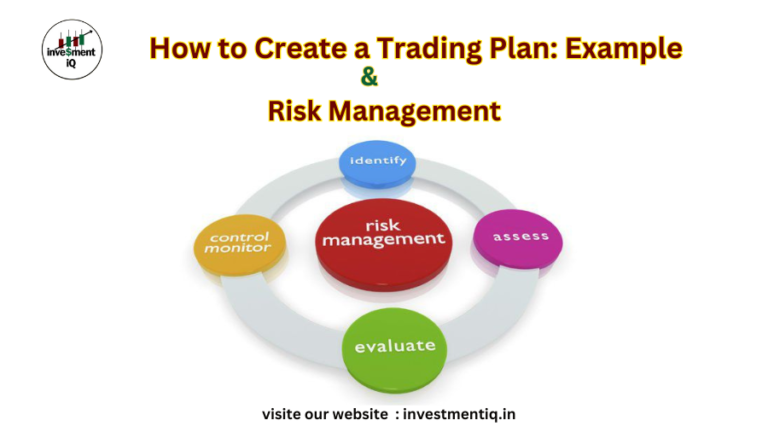

Effective financial planning in 2025 is crucial for achieving long-term security, managing inflation, and growing wealth. Beginners often feel overwhelmed by investment options, budgeting, and goal-setting. This guide provides simple, actionable financial planning tips for 2025, helping you build a structured approach to budgeting, saving, investing, and achieving your financial goals.
Why Financial Planning Matters in 2025
Rising inflation, evolving markets, and increasing personal expenses make financial planning essential. Proper planning helps you:
- Maintain a structured budget and savings plan
- Invest wisely across asset classes
- Prepare for emergencies and unexpected expenses
- Achieve short-term and long-term financial goals
- Build wealth systematically while managing risks
Key Financial Planning Tips for Beginners in 2025
- Set Clear Financial Goals
- Define short-term, medium-term, and long-term goals.
- Examples: emergency fund, retirement, home purchase, education, or wealth creation.
- Prioritize goals and assign timelines and target amounts.
- Create a Monthly Budget
- Track income, expenses, and savings consistently.
- Allocate funds for essentials, discretionary spending, and investments.
- Use apps or spreadsheets for easy tracking and monitoring.
- Build an Emergency Fund
- Maintain 3–6 months of living expenses in a liquid, safe account.
- Protects against job loss, medical emergencies, or market volatility.
- Invest Regularly and Systematically
- Use SIPs for mutual funds or fractional investing in stocks.
- Diversify across asset classes: equities, bonds, gold, ETFs, and real estate.
- Maintain a balance of risk and returns based on your profile.
- Understand Risk and Your Risk Tolerance
- Know your comfort with market fluctuations.
- Aggressive investors can allocate more to equities, while conservative investors can focus on bonds and gold.
- Plan for Taxes
- Utilize tax-saving instruments like ELSS, PPF, and NPS for deductions.
- Understand capital gains taxes on stocks, mutual funds, and other investments.
- Insurance and Protection
- Secure adequate life, health, and disability insurance.
- Protects your family and assets from unforeseen events.
- Monitor and Rebalance Portfolio
- Review investments periodically.
- Rebalance asset allocation based on market changes, age, and goals.
- Avoid Emotional Decisions
- Stick to your financial plan during market volatility.
- Avoid chasing hype stocks or reacting to short-term news.
- Continuous Learning
- Stay informed about investment strategies, market trends, and personal finance concepts.
- Read blogs, take courses, or consult advisors to refine planning.
Conclusion
Financial planning in 2025 is the foundation for achieving stability, security, and long-term wealth. By setting clear goals, budgeting effectively, investing systematically, managing risk, and continuously monitoring progress, beginners can build a strong financial framework. Start small, stay consistent, and adopt disciplined strategies to make your money work for you. Explore more insights in the read more blog section: read more blog (https://www.investmentiq.in/blogs-investment-iq/).
you may be interested in this blog here: