
Building a diversified portfolio in 2025 is essential for managing risk, achieving consistent returns, and protecting wealth from market volatility. Diversification spreads investments across different asset classes, sectors, and geographies, ensuring that poor performance in one area does not significantly impact your overall portfolio. This guide explains how to construct a well-balanced, diversified portfolio suitable for both beginners and experienced investors.
Why Diversification Matters in 2025
Markets in 2025 are influenced by global economic shifts, technological disruption, inflation, and evolving investment trends. A diversified portfolio helps manage these uncertainties by combining assets that respond differently to market conditions. Diversification reduces risk, improves stability, and allows investors to participate in growth opportunities across multiple sectors.
Step 1: Assess Your Risk Tolerance
Determine how much risk you are willing to take. Risk tolerance depends on your investment goals, time horizon, and financial situation. Conservative investors may focus more on bonds and stable equities, while aggressive investors can include high-growth stocks and alternative assets.
Step 2: Set Clear Financial Goals
Define short-term, medium-term, and long-term financial goals. Knowing your goals will help you allocate assets appropriately and choose investment types that match your objectives, whether for wealth creation, retirement planning, or passive income.
Step 3: Choose Asset Classes
Diversify across multiple asset classes to balance risk and return:
- Stocks / Equities – Large-cap, mid-cap, and sectoral stocks for growth potential.
- Mutual Funds / ETFs – Low-cost diversified funds for broad market exposure.
- Bonds / Fixed Income – Government or corporate bonds for stability and steady returns.
- Gold & Precious Metals – Hedge against inflation and market volatility.
- Real Estate / REITs – Provides income and diversification outside traditional markets.
- Alternative Investments – Consider small allocations to fractional shares, cryptocurrencies, or angel funds for growth.
Step 4: Geographic Diversification
Investing across domestic and international markets reduces dependence on a single economy. Consider international ETFs, global mutual funds, or foreign stocks to capture growth in emerging and developed markets.
Step 5: Sector Diversification
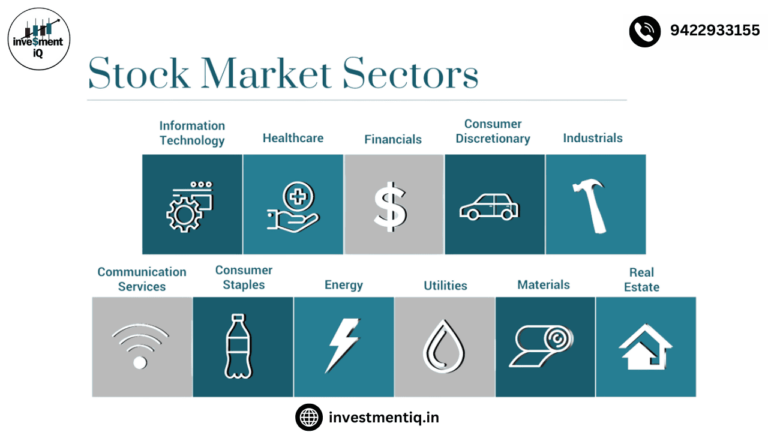
Avoid concentration in one sector. Spread equity investments across IT, banking, FMCG, healthcare, energy, infrastructure, and renewable energy sectors to mitigate sector-specific risks.
Step 6: Decide Allocation and Weighting
Assign percentages to each asset class based on your risk profile. Example of a balanced beginner-friendly portfolio:
- 40% Index funds / ETFs
- 30% Large-cap stocks
- 20% Mutual funds / bonds
- 10% Gold / alternative assets
Step 7: Use Systematic Investment Plans (SIP) and Regular Contributions
Invest consistently using SIPs for mutual funds or automated contributions to brokerage accounts. Regular investing averages market volatility and supports disciplined portfolio growth.
Step 8: Monitor and Rebalance Periodically
Review your portfolio at least annually. Rebalance by adjusting allocations to maintain your desired risk profile and adapt to changing market conditions.
Step 9: Avoid Common Mistakes
- Over-concentration in one asset or sector
- Chasing high returns without analysis
- Ignoring market trends or global economic factors
- Skipping periodic review and rebalancing
Conclusion
Building a diversified portfolio in 2025 is crucial for risk management and achieving consistent long-term returns. By assessing risk, setting clear goals, allocating across multiple asset classes, sectors, and geographies, and maintaining discipline through SIPs and rebalancing, investors can create a robust portfolio capable of weathering market volatility. Explore more insights to enhance your portfolio strategies in the read more blog section: read more blog (https://www.investmentiq.in/blogs-investment-iq/).
you may be interested in this blog here: