In the world of trading, price tells the story—but volume is the proof of who’s listening. If price is the what, volume is the why. While many beginners focus solely on charts or technical indicators, volume analysis offers the critical clarity needed to distinguish real moves from mere noise.
This guide will walk you through the power of volume analysis, how to use it to confirm your trading signals, plus real-world examples to help you trade with conviction.
What Is Volume Analysis?
Volume represents the total number of shares or contracts traded during a specific period. Volume analysis connects this activity with price movements—offering insight into the strength behind every tick.
For example:
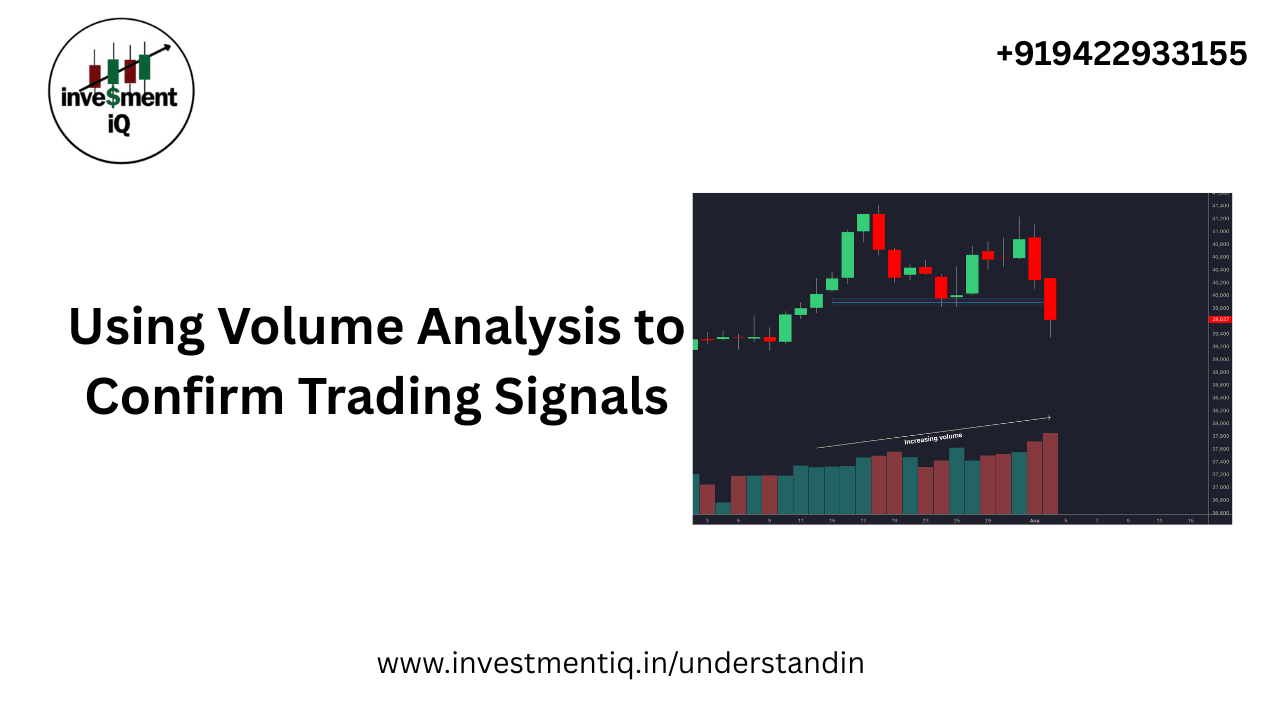
- Price up + High volume? That’s bullish confirmation—not just a price spike, but genuine market interest.
- Price up + Low volume? Red flag—proceed cautiously, as it may lack the conviction to continue.
Why Is Volume Essential for Traders?
Consider volume your truth detector in the market:
- Confirms Trends – A breakout with strong volume is more likely to hold.
- Uncovers Reversals – A spike after downtrend signals possible buying interest.
- Filters Noise – Many indicators produce false signals; volume helps weed them out.
- Reveals Market Commitment – Higher volume means stronger trader participation.
How to Use Volume Analysis to Confirm Trading Signals
Here’s a beginner-friendly playbook:
1. Watch for Volume Spikes at Key Levels
When price approaches crucial support or resistance, high volume helps confirm whether it will break.
2. Pair Volume with Price Direction
- Up + High Volume: Strong bullish move
- Up + Low Volume: Weakening trend
- Down + High Volume: Strong selling pressure
- Down + Low Volume: Lack of conviction in the move
3. Combine with Indicators
Use volume alongside MACD, RSI, or moving averages for better precision.
4. Track Volume Dry Periods
Low volume often signals consolidation—a setup for significant moves ahead.
Example: Confirming a Bullish Breakout
Picture a stock trading between ₹980 and ₹1,000 for weeks. One day, it breaks above ₹1,000 on double its average daily volume. This combines a clear breakout with strong volume—typical of a reliable buy signal.
Without volume backing, the same move could easily be a false breakout.
Avoid Common Volume Analysis Mistakes
- Ignoring context – Always compare volume against average levels.
- Relying on volume alone – Use it in combination with other indicators.
- Chasing volume spikes blindly – Confirm with chart patterns and price structure.
Integrate Insights from InvestmentIQ
To deepen your understanding, explore InvestmentIQ—a reliable resource that breaks down volume-based strategies, indicators, and real-world market insights. It’s a great companion to help you interpret volume signals with more precision.
Practical Tips for Beginners
- Learn your asset’s typical volume range to spot anomalies.
- Use volume across different timeframes (daily and hourly) for stronger validation.
- Always combine volume with trends and solid risk management techniques.
Looking Ahead
In today’s fast-moving markets—where algorithmic trading and real-time alerts dominate—volume analysis is more relevant than ever. It shows you where the real action is and keeps you from falling for deceptive price moves.
Conclusion
Volume analysis isn’t reserved for pros—it’s a powerful tool for beginners, too. Use it to confirm signals, avoid fakes, and trade with confidence.
Ready to level up? Explore comprehensive trading resources and guides at InvestmentIQ. Empower your trades with knowledge—and let volume guide your way.
you may be interested in this blog here:-
What’s the difference between Treasury bonds, notes, and bills
Can I Open a Brokerage Account for My Child
What is the Contrast Between Favored Stock and Normal Stock?